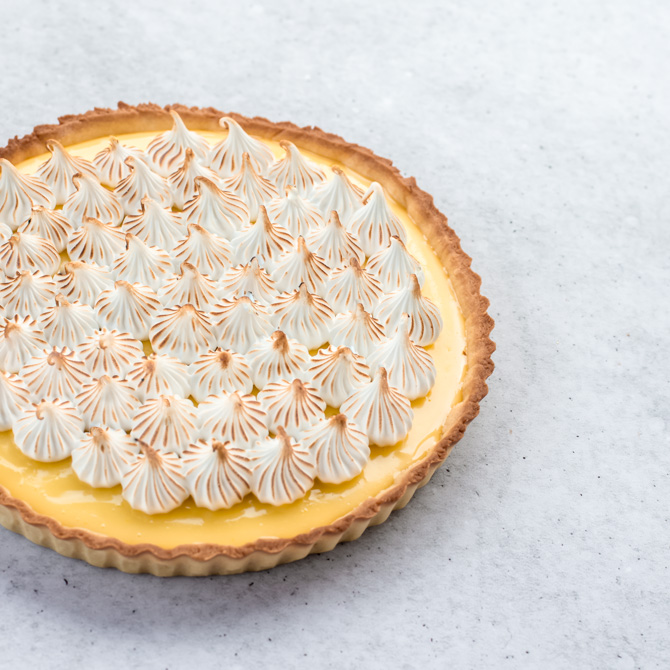
Meringue is so much more than those dry, store-bought meringue kisses you might remember from your childhood! It’s actually incredibly versatile and can be used in a variety of desserts—whether it’s baked meringue (for pavlovas or meringue kisses), torched for that irresistible golden finish (on a baked Alaska or a lemon meringue pie), or kept soft and marshmallowy .
There are three different types of meringue, each with its own cooking method and level of stability, making them suitable for different uses. In this guide, I’ll walk you through the types of meringue, their pros and cons, and give you detailed tips on how to make and use meringue like a pro.
Meringue has an amazing light and fluffy texture that adds something special to many desserts. When baked, it becomes crisp and light as a feather. One of the best things about meringue is how easily it can be piped into all sorts of shapes and colors, making it a perfect choice for decorating desserts. Here are a few ideas for how to use meringue:

At its core, meringue is simply a mixture of egg whites and sugar. But not all meringue is created equal! There are three types, each made with a different cooking technique and with varying levels of complexity. While they all taste and look quite similar, they differ in stability—meaning how long they can hold their shape without collapsing.
French meringue
The easiest but least stable
French meringue is the most common meringue and also the most simple to make. You just whip sugar into stiffly beaten egg whites until the sugar dissolves. It’s quick and easy, but also the least stable—if not baked, it’ll start to weep or collapse within a few hours. This makes it best suited for baked meringue treats like meringue kisses or pavlova.
Swiss meringue
The middle ground
Swiss meringue requires a bit more preparation than French meringue, but it’s more stable and can resist moisture better, holding its shape for up to a day if not baked. To make it, you whisk egg whites and sugar over a water bath until the sugar dissolves, then whip the mixture until stiff. It’s great for baked meringue, as well as a base for meringue buttercream. You can also use it for torched meringue if served within 3-4 hours.
Italian meringue
The most complex but most stable
Italian meringue is the star when it comes to stability. It’s the strongest meringue, resisting moisture and holding its shape for days. It’s made by cooking a sugar syrup and gradually adding it to stiffly beaten egg whites. This type of meringue can be used for any meringue application—whether baked, torched, or used raw. It’s also my go-to for meringue buttercream because of its superior stability.
Get my recipe for italian meringue
Overview of the 3 types of meringue
French meringue:
- Quick and easy, no heating required
- No thermometer needed
- Only holds its shape for a few hours if not baked
- Good for meringue kisses, pavlova, and other baked meringuess
Swiss meringue:
- Requires heating over a double boiler
- Requires a candy thermometer
- Moderately stable, holds its shape for up to one day if not baked
- Good for meringue kisses, pavlova, and other baked meringues, or as a buttercream base
Italian meringue:
- Requires making a sugar syrup first
- Requires a candy thermometer
- The most stable meringue, can hold its shape for days without baking
- Good for all meringue applications (baked, torched, and raw) or as a base for buttercream
Meringue is almost white, which makes it easy to color. For the best results, use powdered or paste food coloring—liquid colors can affect the consistency. Add the color after the meringue is whipped, and mix until evenly distributed.
You can also add flavor to your meringue. Freeze-dried ingredients and dried spices are excellent choices, such as freeze-dried berries, licorice powder, vanilla, or cinnamon. Liquid flavorings like lemon juice or vanilla extract can also be used, but be sure to add them in small amounts so they don’t alter the texture.

Meringue is delicate, so proper baking is crucial to achieving those beautiful, crisp shells with soft centers. If not baked correctly, meringues tend to crack, which can be disappointing after the effort you put into piping them. By following these baking instructions carefully, you can ensure that your meringues turn out flawless, with no cracks and the perfect texture.
Meringue is very sensitive to heat due to its high sugar content, so it’s essential to bake it at a low temperature over a long time. This allows the moisture to evaporate slowly without burning the meringue. Here’s how you do it:
Frequently asked questions
Do I need to use a fan oven if I’m baking multiple trays at once?
No, always use the conventional oven setting (top/bottom heat) even if you have multiple trays in your oven.Are meringues stable once baked?
Yes, baked meringues are quite stable in terms of humidity and holding their shape. However, they can still absorb moisture if they come into contact with wet surfaces, so try to keep them away from anything damp.What’s the shelf life of baked meringues?
Baked meringues will last for about 2-3 days uncovered at room temperature, 1-2 weeks in an airtight container in the fridge, or up to 2 months in an airtight container in the freezer.

Toasted meringue is a wonderful way to elevate your meringue to the next level. The surface caramelizes, giving it a deeper flavor and a beautiful golden-brown color. This technique is often used on tarts, like my French lemon tart or mini chocolate tarts.
I recommend using a kitchen torch for this process. While you can use your oven’s broil setting in a pinch, it’s harder to control both the temperature and where the meringue is toasted. A kitchen torch offers the most control (and is also handy for making crème brûlée!). Here’s how to do it:
Frequently asked questions
How far in advance can I toast my meringue?
Toasting doesn’t affect the stability of the raw meringue, so the timing depends on the stability of the meringue itself. Swiss meringue should be applied 3-4 hours before serving, while Italian meringue can be applied the day before. However, I always recommend toasting your meringue just before serving, as it looks impressive in front of your guests!Can I freeze toasted meringue?
Once toasted, meringue isn’t suitable for freezing. Freezing is likely to ruin the crisp, toasted surface, leaving the result less than ideal.

Here you’ll find answers to the most common issues people face when making meringue.
My meringue is leaking and becoming soft!
This usually happens when the egg whites weren’t whipped stiff enough, causing them to leak. It can also occur if you made a French or Swiss meringue, which aren’t as stable, and waited too long before baking them.
My meringue is separating!
This is typically due to over-whipped egg whites. Unfortunately, the meringue can’t be saved once this happens.
My meringue is collapsing or not holding its shape!
This often happens if the egg whites weren’t whipped stiff enough or if some egg yolk got into the mixture (e.g., if you separated the eggs yourself). The fat from the yolk can cause the meringue to collapse.
My meringue is gritty!
This problem can occur when making French meringue. It’s usually because the sugar was added in too large quantities at a time, preventing it from dissolving properly in the egg whites.


