


Grandma’s Best Brunkager Recipe
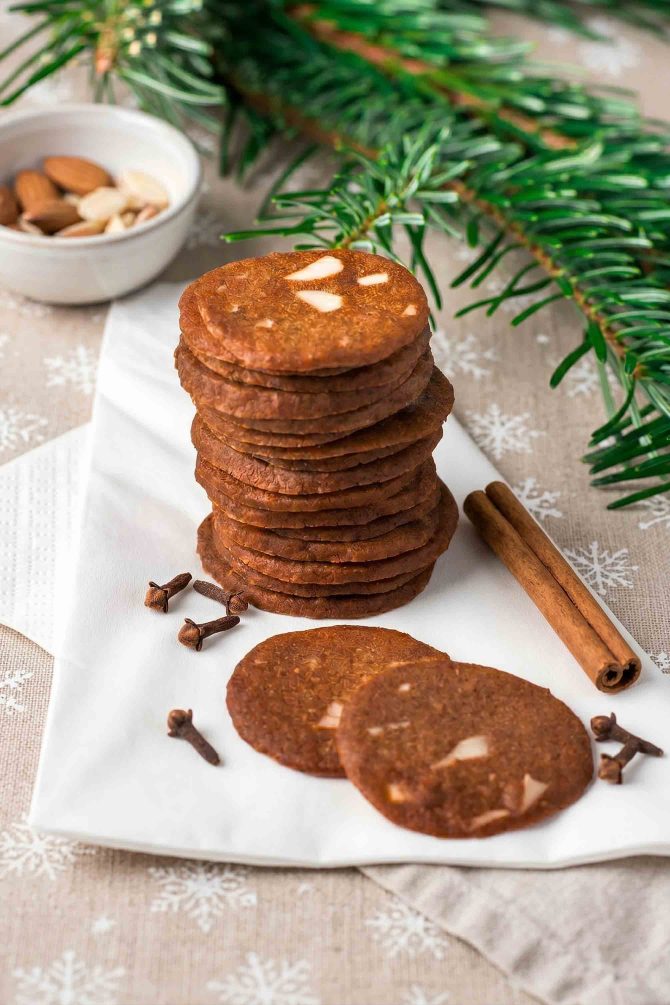
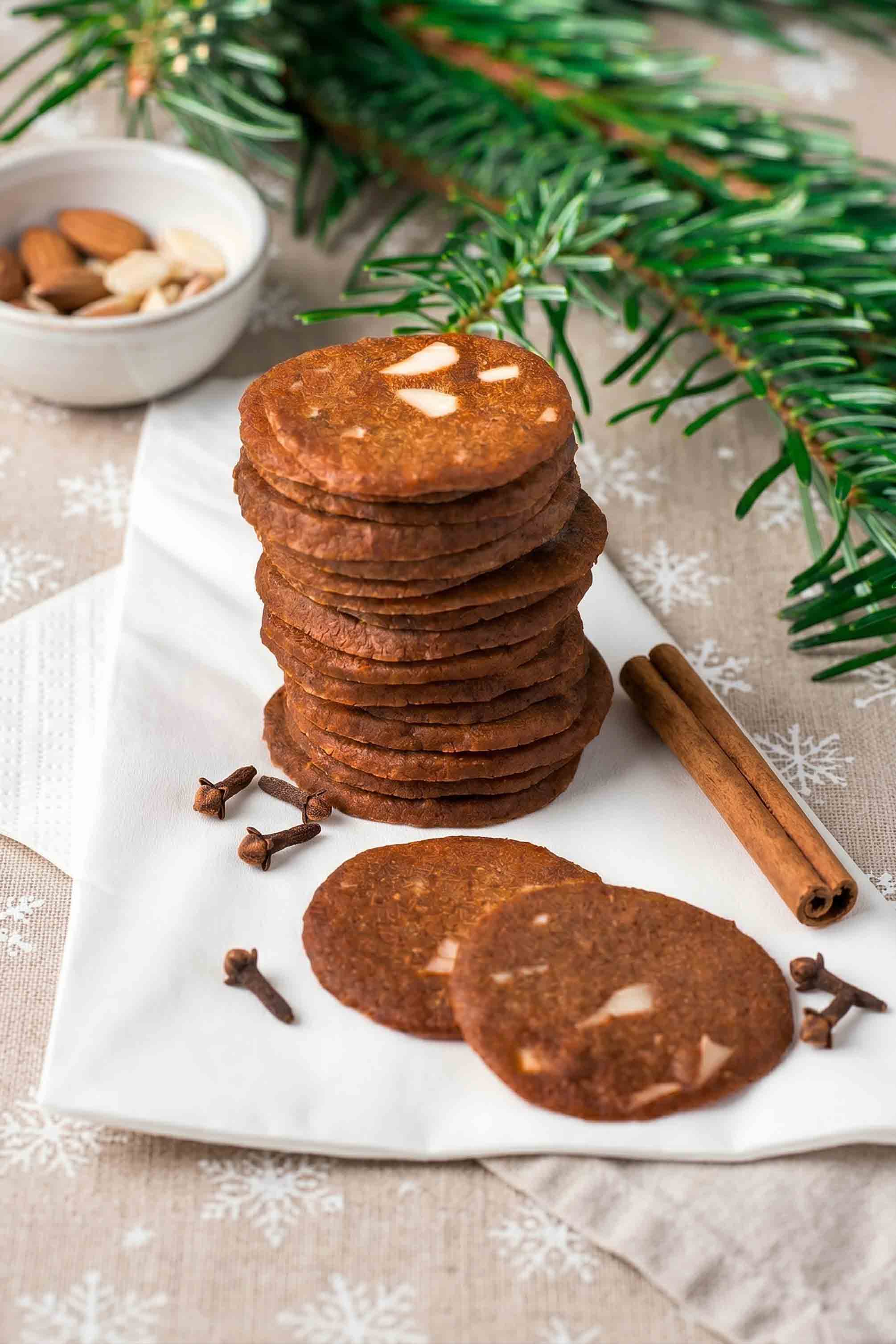
Brunkager are a traditional Danish crispy Christmas cookie flavored with cinnamon, cloves, and cardamom, with chopped almonds for extra crunch. Unlike soft, chewy American cookies, these are meant to be very thin and crispy gingerbread cookies.
If I had to choose one cookie that really reminds me of Christmas, it would be my grandma’s brunkager (although my mom’s iconic vanilla wreath cookies are pretty hard to beat, too!)
Every year, my grandma made big batches of brunkager dough and gave it to all her children and grandchildren so we could bake our own cookies at home. It was a lovely Christmas tradition, and I’m happy to share her recipe with you.
If you enjoy baking Christmas treats, you might also like my Danish Mini Cinnamon Rolls and Crinkle Brownie Cookies.
Why You’ll Love These Danish Christmas Cookies
- Crispy and crunchy: These delicious cookies are thin and crispy.
- Taste of Christmas: They are full of fragrant spices that smell and taste absolutely amazing.
- Easy to bake big batches: It’s super easy to bake a big batch to share.
More Christmas Cookies
Tips for Making The Best Brunkager Dough
This recipe makes a large batch of brunkager cookies, but that’s part of the fun! Brunkager keep well when stored properly, and you can also freeze the dough and bake fresh cookies throughout December. Or do like my grandma and give cookie dough as a gift to friends and family! If you prefer a smaller batch, you can easily make half a batch.
Here are my best tips for getting the dough just right:
- Keep the dough cold. Chilled dough is much easier to slice thinly and evenly. If it starts to soften while you work, return it to the refrigerator before continuing.
- Use freshly ground spices. Grinding the spices just before making the dough gives the cookies their best flavor. Pre-ground spices work, too, but their flavor is less pronounced.
- Add the flour gradually. The exact amount of flour needed can vary. Start with the lower amount and add more as needed until you have a smooth, pliable dough.
- Make the dough ahead. You can prepare the dough in advance and refrigerate it for up to 2 weeks or freeze it for up to 3 months.
How to Make Thin and Crispy Brunkager
The secret to perfectly crispy brunkager is slicing the dough as thinly as possible. The thinner the slices, the crispier the cookies will be! Here’s how to do it:
1. Shape the cookie dough into long rolls and refrigerate them until firm. Rolling the dough warms it up, so chilling it again before slicing is important.
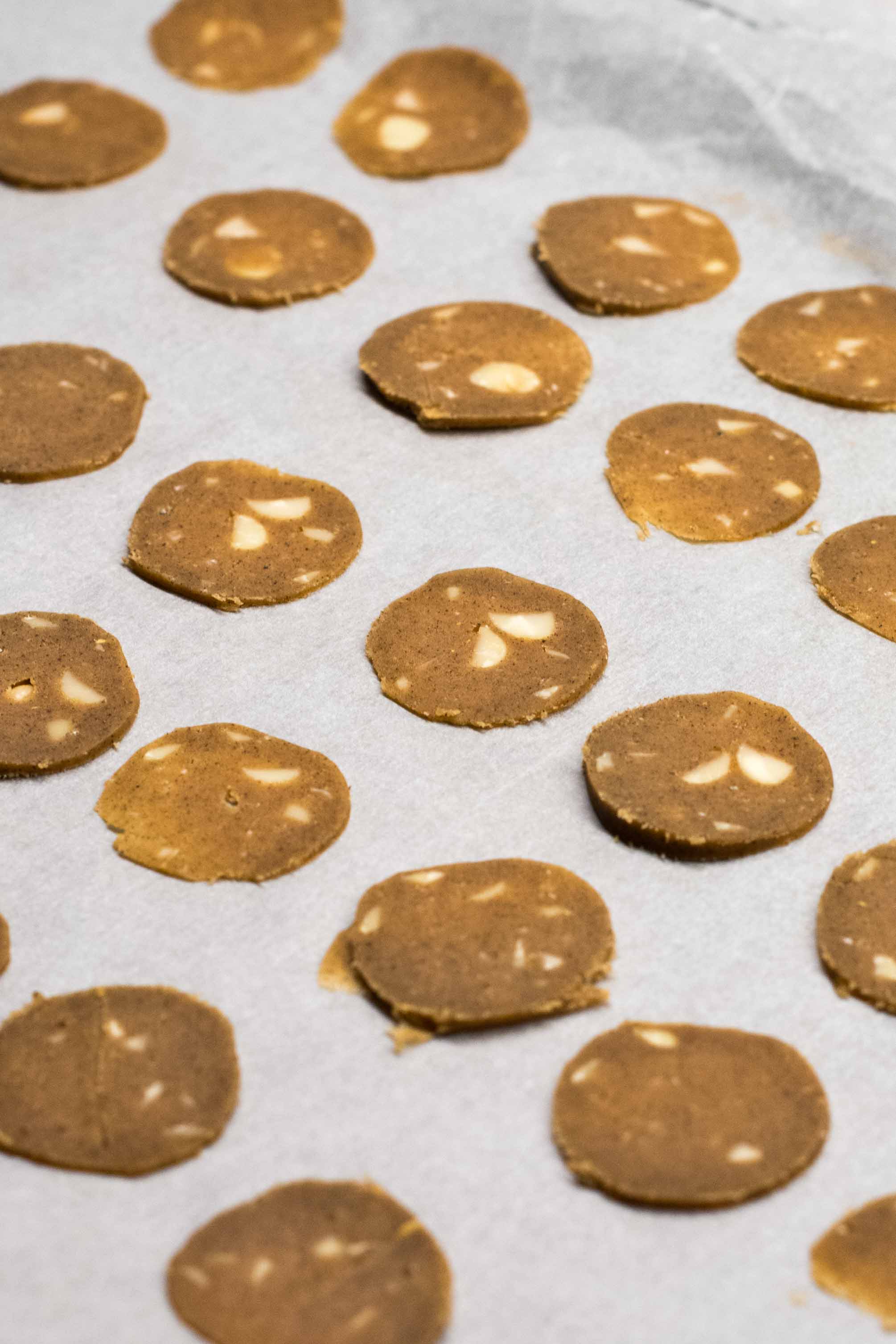
2. Use a very sharp knife to cut the logs into thin, even slices. This helps the cookies bake evenly and gives them their characteristic crispy texture.
3. Place the cookies on a baking tray with parchment paper. You can place them close as they won’t spread during baking.
Keep a Close Eye on the Cookies While Baking
Brunkager bake really quickly, so keep an eye on them during baking! Every oven is different, and the thickness of your slices also affects how long to bake them.
Remove the cookies when they are golden and just beginning to color. If the edges become too dark, the cookies can develop a burnt taste. They may still feel a little soft when you take them out of the oven, but they will become crispy as they cool.
How to Store Brunkager
Brunkager should be completely crispy before you store them. Once cooled, place them in an airtight container to keep them that way.
Traditional cookie tins are not always airtight. If you use one, you can place a piece of parchment paper between the tin and the lid to help seal it. A tightly sealed plastic food storage container also works well.
You can also freeze unbaked brunkager dough for up to three months. Thaw it in the refrigerator until firm enough to slice, then bake the cookies.
If you’re putting together a Christmas cookie assortment, try serving these alongside Sweet Almond Crescent Rolls. Their delicate almond flavor makes them a lovely companion to the warmly spiced brunkager.
Frequently Asked Questions
What are Danish brunkager?
Brunkager are traditional Danish Christmas cookies flavored with spices such as cinnamon, cloves, and cardamom. They typically contain chopped almonds and are baked until thin and crispy. The name translates roughly to “brown cookies,” referring to their characteristic color.Why are my brunkager not crispy?
The cookies may have been sliced too thickly or may need a little longer in the oven. They should be thin and evenly sliced, and baked until golden. Let them cool completely before deciding whether they are crisp enough, as they firm up as they cool. Also make sure to store them in an airtight container once cooled.Why is my brunkager dough too soft to slice?
The dough needs to be thoroughly chilled before slicing. If it becomes soft while you work, put it back in the refrigerator until firm. Cold dough is much easier to slice thinly without squashing the logs.Can I make brunkager dough ahead of time?
Yes! The dough logs can be refrigerated for up to two weeks or frozen for up to three months. This makes it easy to bake fresh brunkager whenever you want during the Christmas season.Can I freeze baked brunkager?
Yes, you can freeze the baked cookies in a well-sealed, freezer-safe container. Make sure they have cooled completely first, and protect them from moisture to help preserve their crisp texture.Can I use pre-ground spices instead of freshly ground spices?
Absolutely. Pre-ground spices work well, although freshly ground spices generally have a stronger aroma and more pronounced flavor. If your spices have been sitting in the cupboard for a long time, they may have lost some of their flavor.What is potassium carbonate, and can I replace it?
Potassium carbonate, also known as potash, is a traditional leavening ingredient used in Danish brunkager. It helps give the cookies their characteristic texture. It is not the same ingredient as baking soda, so I recommend using food-grade potassium carbonate for this recipe rather than substituting without adjusting and testing the recipe.How thin should I slice brunkager?
As thinly as you can while keeping the slices intact. Thin, even slices are the key to crispy cookies that bake uniformly. A very sharp knife and thoroughly chilled dough make this much easier.
Recipe
Brunkager (Danish Gingerbread Cookies)
 Prep Time 30 minutes Cook Time 50 minutes Chill time 2 hours Time: 3 hours 20 minutes
 Difficulty: Intermediate
 Yield: 150 cookies*
Ingredients
- 125 g almonds
- 500 g unsalted butter
- 500 g granulated sugar
- 250 g light syrup (corn syrup works)
- 10 g ground cloves
- 20 g ground cinnamon
- 5 g ground cardamom
- 15 g potash (potassium carbonate)
- Water (warm)
- 800-900 g all-purpose flour
Instructions
- Blanch the almonds and chop them roughly.125 g almonds
- Put butter, sugar, and light syrup in a saucepan and melt them together over medium heat, stirring occasionally. Don't let it boil. Once melted, remove the pan from the heat and let the mixture cool for 10-15 minutes.500 g unsalted butter, 500 g granulated sugar, 250 g light syrup
- Add the chopped almonds along with the ground cloves, ground cinnamon, and ground cardamom.10 g ground cloves, 20 g ground cinnamon, 5 g ground cardamom
- Dissolve the potash in a little warm water. Add the potash mixture to the cookie dough and stir well. Let the dough cool slightly.15 g potash, Water
- Add the flour a little at a time while kneading the dough. The exact amount of flour needed will depend on the flour itself and the temperature, but most important is that the dough should come together into a smooth, pliable dough. Divide the dough into long logs, wrap each one in plastic wrap, and refrigerate for at least 1 hour.800-900 g all-purpose flour
- Using a very sharp knife, cut the dough into slices as thin as possible and place them on baking sheets lined with parchment paper. Bake the brunkager at 175 °C (347 °F) for 6-8 minutes, depending on how thin they're sliced, until golden. Don't let the edges burn.
